
Roman’s instruments reach a key alignment milestone
NASA’s Nancy Grace Roman Space Telescope completed instrument alignment work on November 13, 2026. The milestone prepares the observatory for science operations, but further tests remain.

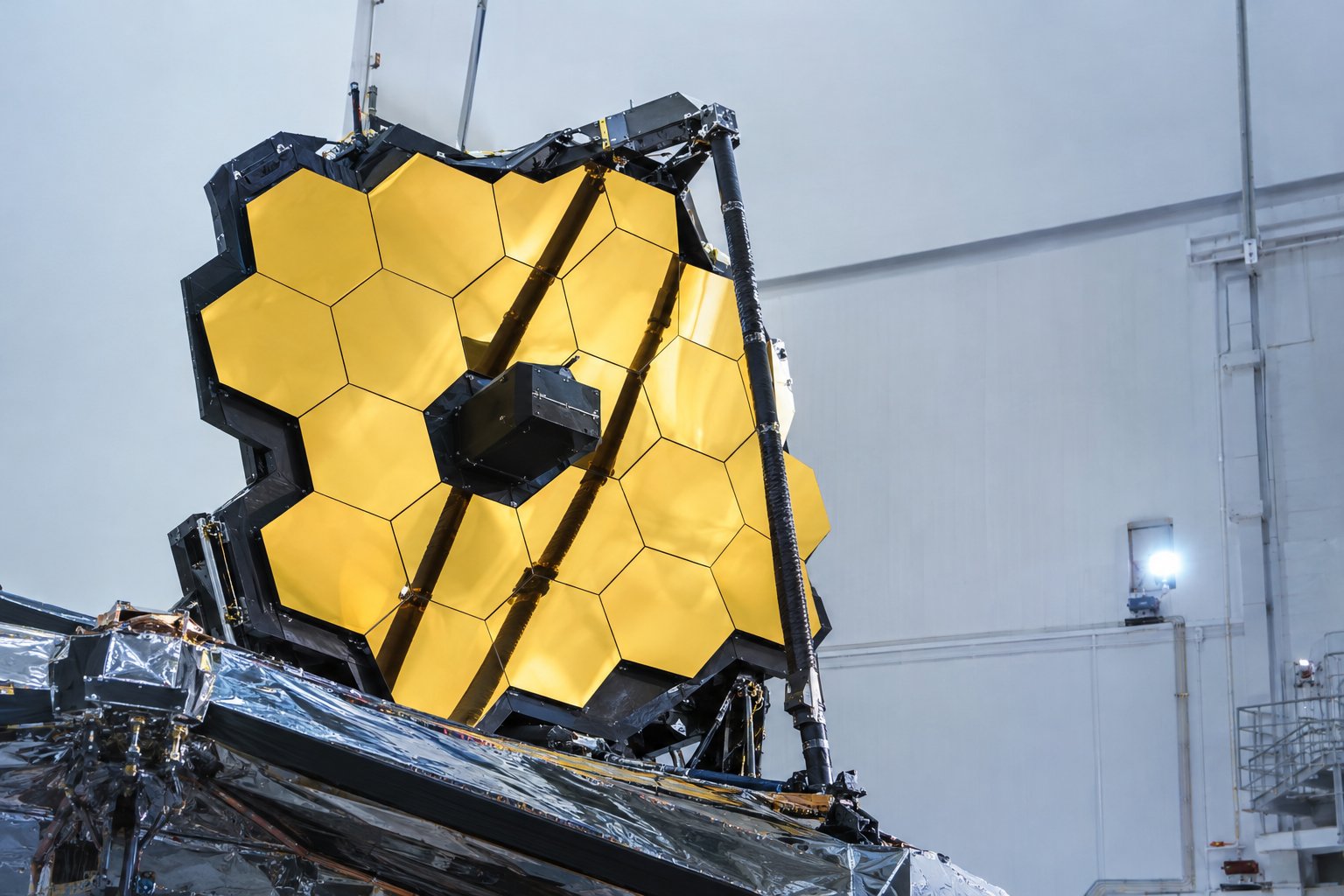
NASA’s Nancy Grace Roman Space Telescope completed key instrument alignment work in space on November 13, 2026, clearing a milestone on the way to science operations, Orbital Wire reported. The work brought the telescope’s optics into precise alignment. It is an engineering achievement, not a report of new findings about dark matter, dark energy or planets.
What the alignment involved
Roman’s Wide Field Instrument (WFI) has 18 detectors that need to work together when the telescope locks onto guide stars. Guide stars help the observatory track its pointing and correct small drifts. The WFI serves both as Roman’s primary instrument and as its guider, according to Orbital Wire.
Roman’s mirrors were already well aligned before launch, so engineers needed only minor corrections after the observatory reached space, the report said. Launch vibrations, temperature changes and the absence of gravity can cause small movements. To keep Roman aimed accurately, scientists compare observed star positions with expected ones and update the telescope’s internal map.
The alignment requirement is unusually demanding: Roman must remain at least ten times more stable than Hubble or Webb to carry out its planned science, said Dominic Benford, Roman’s program scientist at NASA Headquarters, according to Orbital Wire. “Roman requires exquisite alignment because it has to be at least ten times more stable than our Hubble or Webb space telescopes,” Benford said.
The WFI’s role also connects to the Coronagraph Instrument, which images nearby stars to look for planets and dusty disks in a neighboring patch of sky. A coronagraph uses masks to absorb and redirect starlight that would otherwise spill into areas where faint objects might be observed. Roman’s team adjusted the secondary mirror and optics and masks within the coronagraph, Orbital Wire reported.
Why the milestone matters
Stable pointing and aligned optics are prerequisites for Roman’s planned observations. The WFI will support surveys used to study dark energy, dark matter and the populations of exoplanets. These are future research goals, not results established by the alignment announcement.
The report says that on October 17, engineers measured an optical error of 63 nanometers RMS, below the pre-launch requirement of approximately 90 nanometers RMS. It described the WFI’s image quality as nearly 30% better than predicted after corrections. Those figures describe instrument performance; they do not by themselves resolve questions about the universe’s expansion or cosmic structure.
Roman’s wide-field survey approach also speaks to a broader question in astronomy: how observations across large areas of sky can help researchers investigate dark matter. For related context, see Euclid’s first dark-universe data.
Mission background
Orbital Wire reported that Roman launched on August 30, 2026, and that its WFI was activated in September. Following activation, engineers tested its 18 detectors and electronics, checked the wheel that carries filters and other optical parts, switched on calibration-system LEDs, moved an alignment mechanism out of its deliberately unfocused launch position, and checked thermal control.
On October 17, the team reported the improved WFI image quality and made a small adjustment to the secondary mirror. Engineers had also found that the Coronagraph Instrument’s images were slightly out of focus, though the problem was less severe than anticipated; they corrected the focus and returned to further WFI adjustments, according to the report.
Roman’s planned science includes surveys of galaxies and supernovae to investigate dark energy and the growth of cosmic structure, alongside work on exoplanets. Orbital Wire describes the mission’s baseline as five years. Those goals depend on observations that will come after the instrument commissioning work.
What to watch next
The alignment milestone does not mean that every commissioning task is complete. Orbital Wire reported that the next step for the coronagraph is to exercise more than 3,000 moving parts that drive its deformable mirrors. Engineers will also test whether the instrument can keep stray light away from faint targets beside bright stars. The report says tests with real starlight and planets in space would be a first, following laboratory tests in an artificial space environment.
For readers, the distinction is important: the update concerns readiness and instrument performance. The next meaningful developments to follow are the reported coronagraph tests and, later, observations that can address Roman’s scientific goals. Until those observations are reported, the alignment results should not be read as evidence for a new discovery about dark matter, dark energy or exoplanets.
Source: orbital-wire.com
More from the Observatory
 Black holes
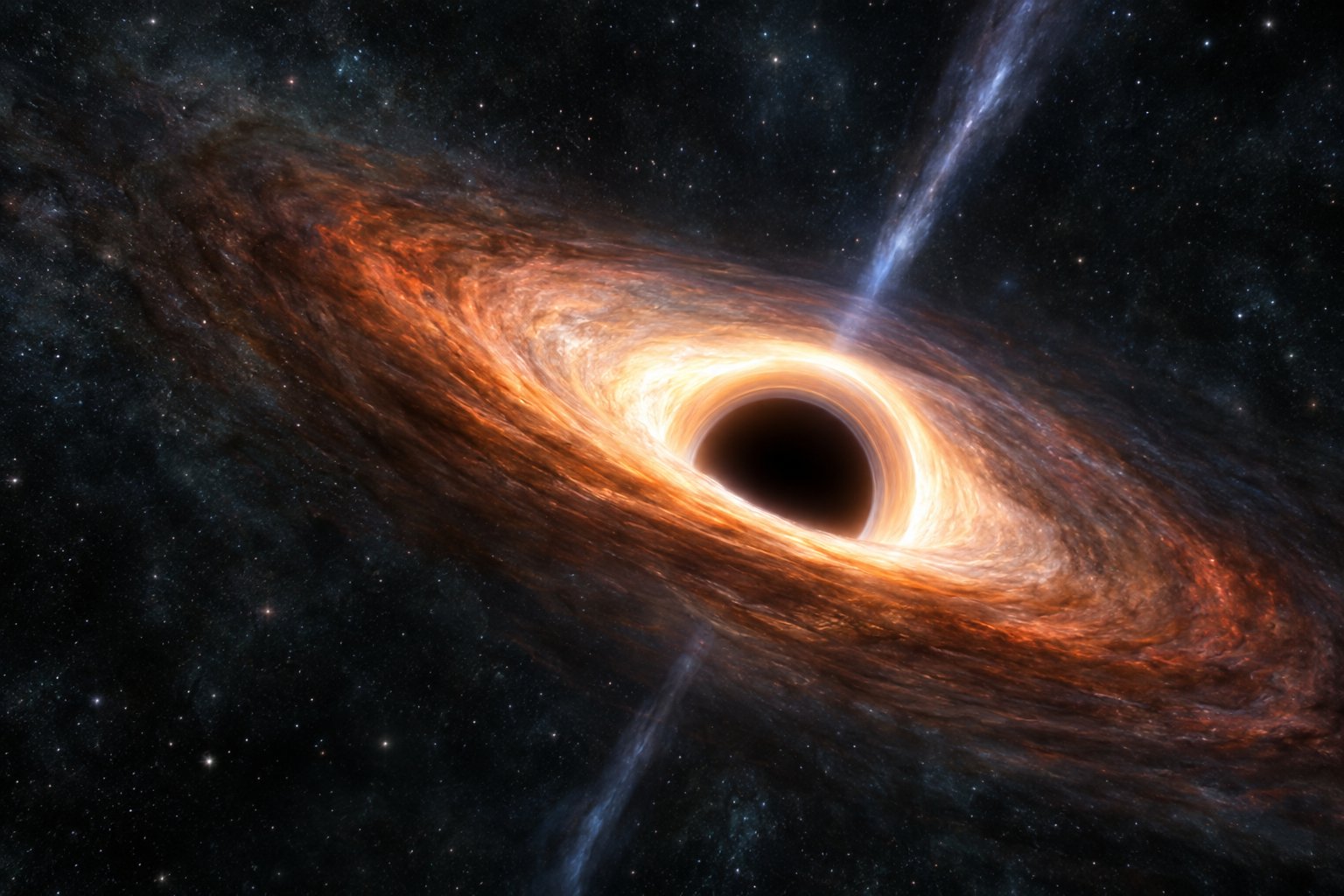
A gap in black-hole masses hints at stars that vanished without exploding
A Caltech-led analysis of 257 black-hole mergers found a shortage of objects between 12 and 16 solar masses. The pattern is consistent with a proposed failed-supernova channel, but it is not a direct observation of one.
Maya Ellison · Nov 19, 2026 · 4 min read
 Stars and galaxies
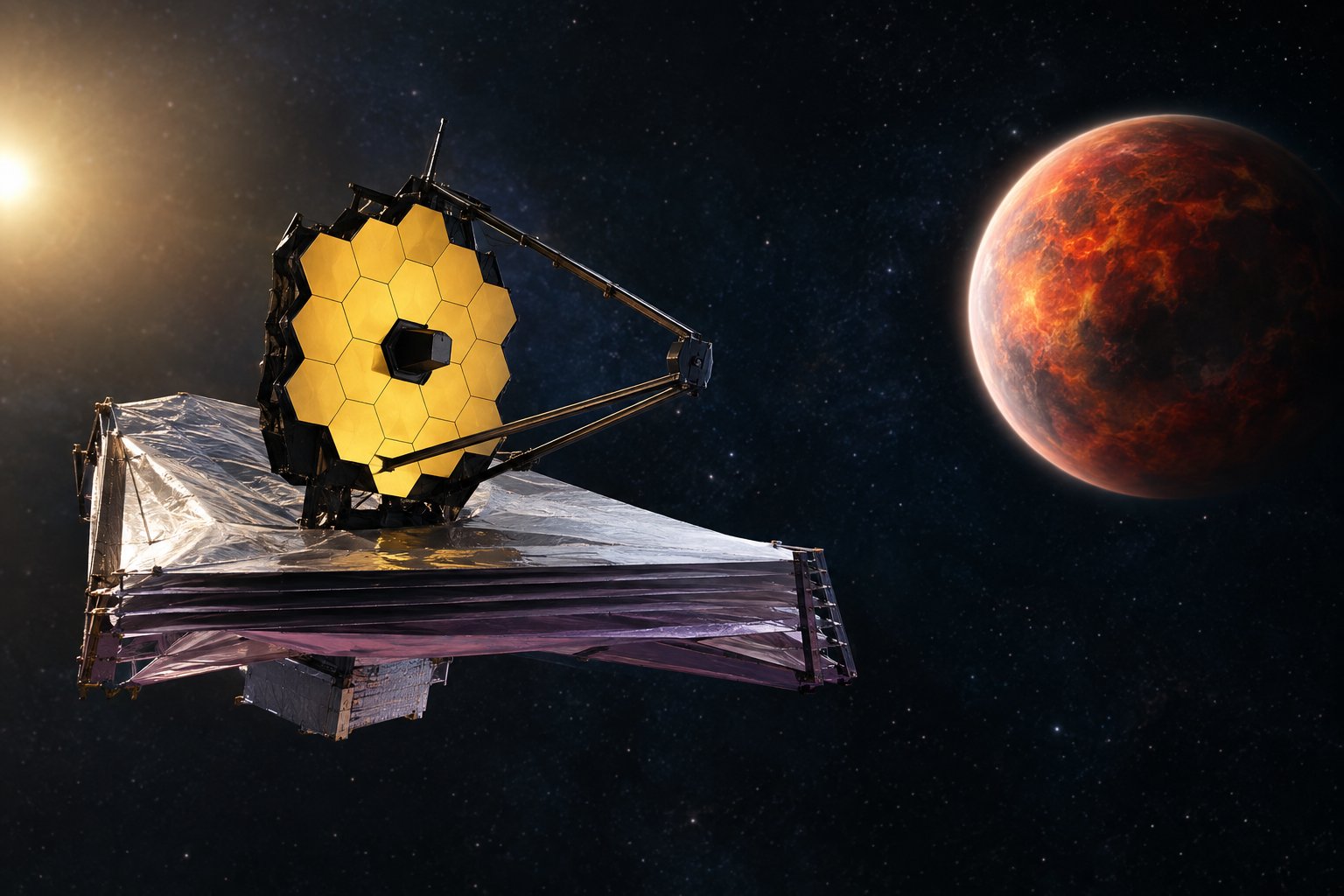
A Possible Atmosphere on TOI-431b, Seen in a Partial Eclipse
A JWST observation of the ultrahot rocky planet TOI-431b points to a possible atmosphere, but one partial eclipse cannot reveal its composition.
Maya Ellison · Nov 18, 2026 · 4 min read
 Deep space and cosmology
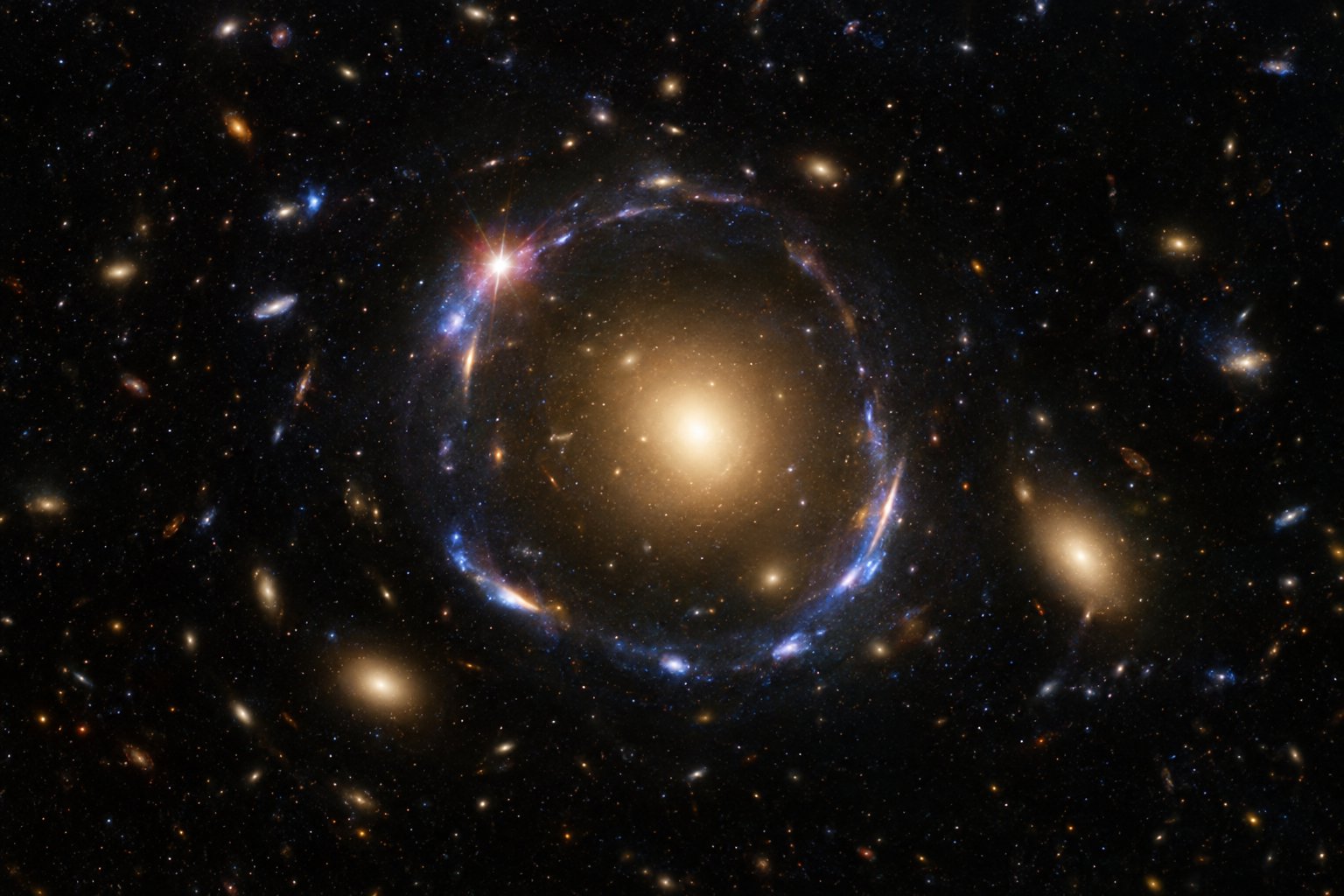
SN Ares: JWST finds a supernova whose next images may take decades
JWST observations reveal the lensed Type IIb supernova SN Ares. Models predict two more images decades from now, but those arrivals—and their timing—remain to be observed.
Maya Ellison · Nov 17, 2026 · 4 min read