
Euclid’s First Dark-Universe Data: A Vast Survey, Not Yet a Dark Matter Breakthrough
The Euclid space telescope has released data capturing light from more than a billion objects. The survey opens new research opportunities, but the release itself is not a reported discovery of dark matter.

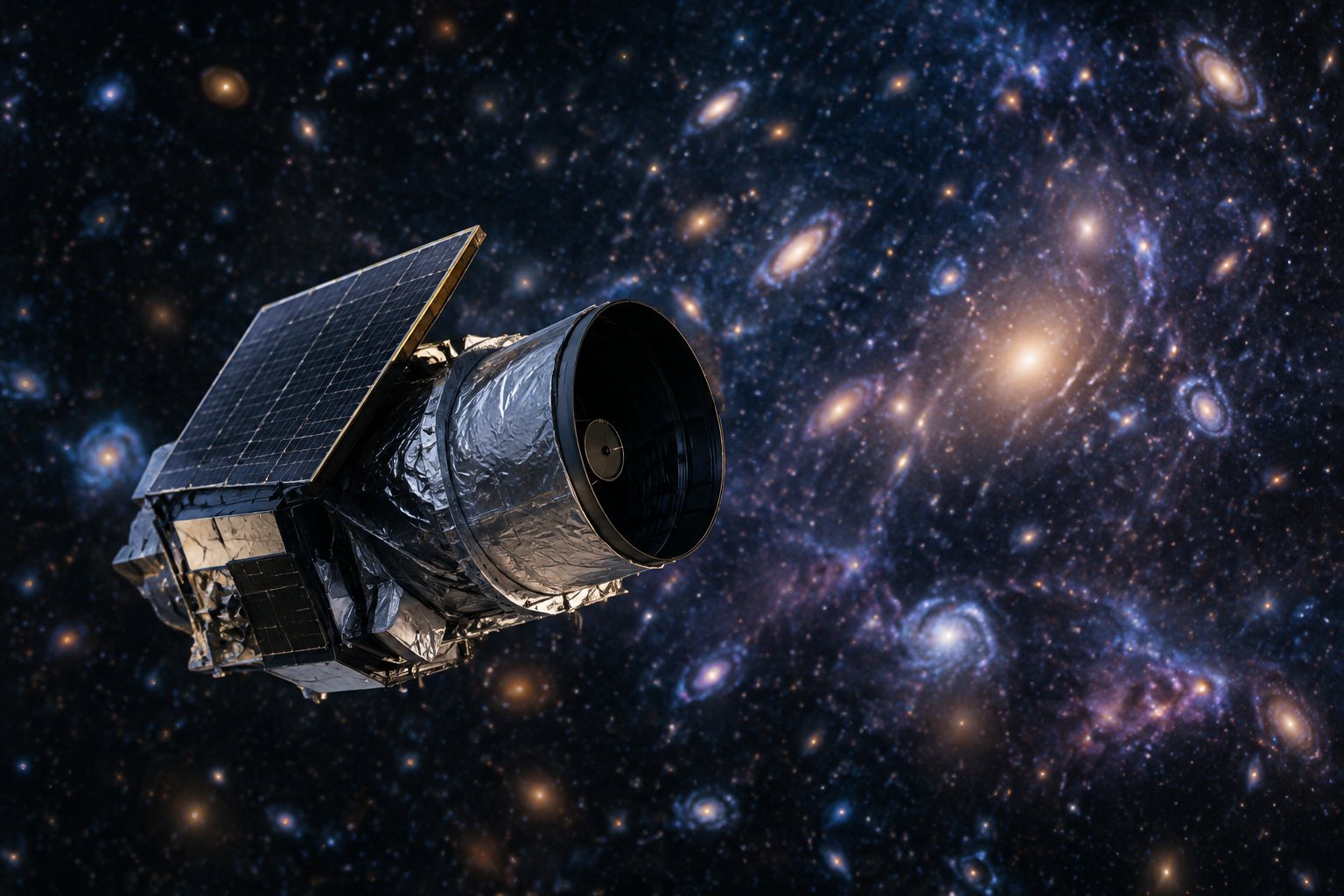
On Thursday, Nov. 12, the European Space Agency’s Euclid space telescope released its first major batch of data, capturing light from more than a billion objects across an area of sky as large as 9,500 full moons. Space.com reported that the release is a foundation for a much larger three-dimensional map of the cosmos—not a report that Euclid has discovered dark matter.
What Euclid’s first major release contains
Designated DR1-Foundation, the release draws on 13 months of observations and includes raw data, calibrated images, catalogues and spectra. According to Space.com, it contains light spectra from 160 million sources, more than 900 million galaxies and 60 million quasar candidates. Quasars are regions dominated by feeding supermassive black holes.
The release also includes large sky mosaics and images of galaxies and galaxy clusters. Euclid’s space-based position helps it avoid interference from Earth’s atmosphere, Space.com reported. The resulting observations span a much larger area than the mission’s earlier releases, which covered a few days of observations over about 60 square degrees.
Among the catalogue entries are 15,000 candidates for strong gravitational lenses. Gravitational lensing happens when mass curves space and bends the path of light passing through it. A massive foreground galaxy or galaxy cluster can magnify light from a more distant source. The catalogue identifies candidates for researchers to investigate; the figure is not a count of confirmed discoveries.
These are far more than beautiful pictures; today marks a scientific milestone in our study of the cosmos.
Why the survey matters—and what it does not show
Euclid is designed to investigate dark matter and dark energy, two different and still mysterious components associated with the structure and expansion of the universe. The new release gives researchers a large collection of observations with which to study galaxies, clusters and the larger structures they form. It also supplies candidates for further work on gravitational lensing, which researchers can use to study the mass of galaxies—including their invisible dark matter—and the expansion of the universe.
That is important for readers following black-hole research and observations of distant galaxies: gravitational lensing can magnify background sources, and the James Webb Space Telescope has used the effect to study galaxies in the early universe, Space.com reported. But the news here is the scale of Euclid’s data and the research it may enable. The release does not establish a new finding about the nature of dark matter or dark energy.
Euclid Consortium member Natalie Lines, of the University of Portsmouth, said strong lensing offers insight into the dark universe and allows researchers to weigh individual galaxies, including their dark matter. That describes what the method can help scientists investigate, not a result that every candidate in this release has already been confirmed or weighed.
A first look within a six-year mission
Euclid launched in mid-2023, and DR1-Foundation is its first major mission-data release, according to Space.com. The observations cover the period from spring 2024 to spring 2025. That coverage represents 14% of the area targeted for the telescope’s full six-year survey.
The survey’s broad view is relevant because galaxy clusters and larger superclusters trace how matter gathered into the cosmic web—a large-scale network of gas, dust and dark matter. Euclid Consortium member Barbara Sartoris said researchers would explore the newly available samples of ancient galaxy clusters in the coming months, examining how these structures grew and what they reveal about the dark universe.
The release therefore offers a substantial research resource, while remaining an early portion of the planned survey. Its catalogues and images can support future analyses; the release alone does not settle the open questions that motivated the mission.
What to watch next
The next step described by the researchers is analysis. Space.com reported that scientists plan to explore the galaxy-cluster samples in the coming months. Euclid project scientist Valeria Pettorino said DR1-Foundation contains enough statistics to uncover rare objects and map the universe’s large-scale structure in detail.
For now, the distinction to keep in view is between a data release and a discovery made from it. Euclid has delivered a wide-ranging set of observations and candidate objects. Whether those observations lead to new conclusions about dark matter, dark energy or cosmic structure depends on the research that follows.
Source: space.com
More from the Observatory
 Black holes
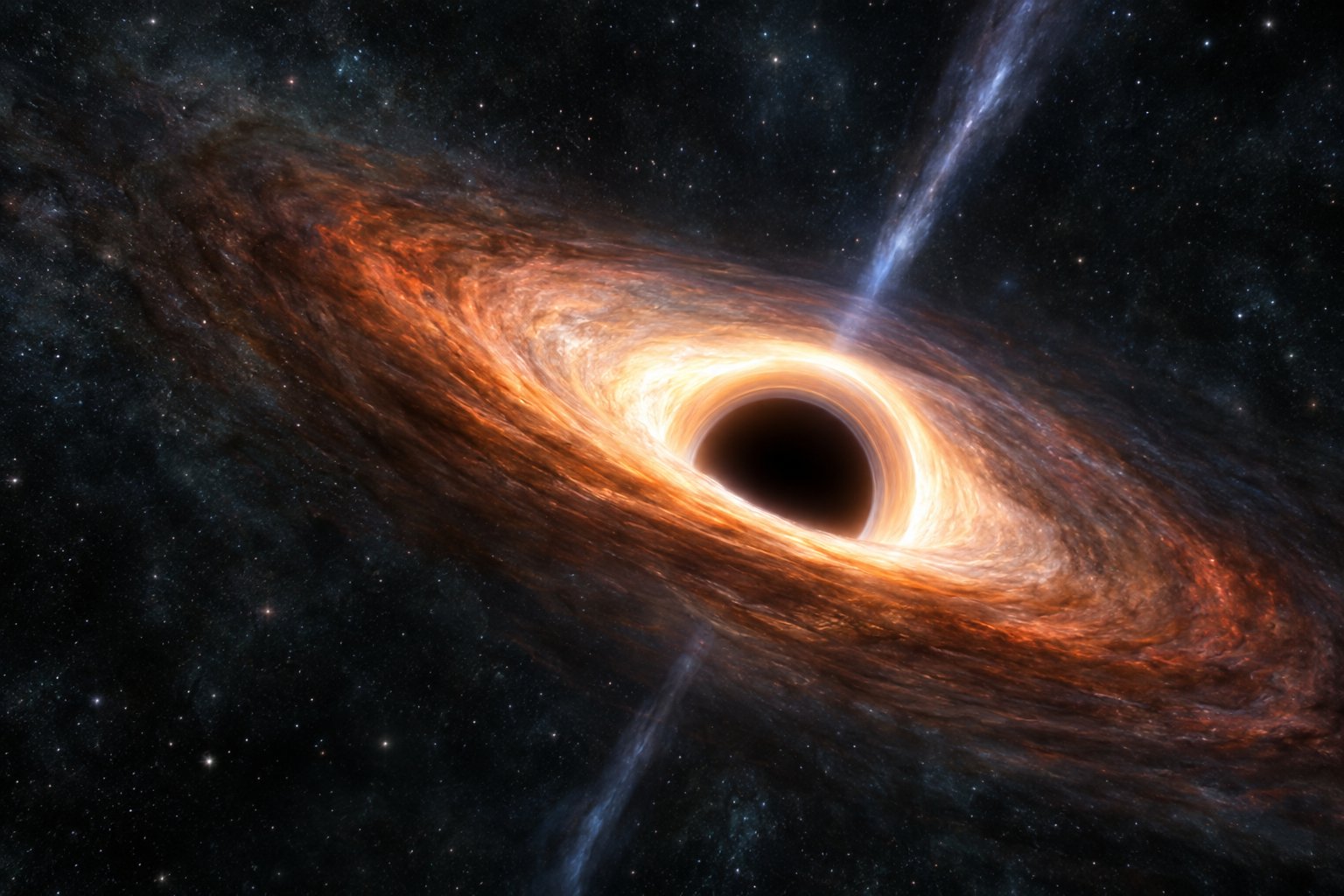
A gap in black-hole masses hints at stars that vanished without exploding
A Caltech-led analysis of 257 black-hole mergers found a shortage of objects between 12 and 16 solar masses. The pattern is consistent with a proposed failed-supernova channel, but it is not a direct observation of one.
Maya Ellison · Nov 19, 2026 · 4 min read
 Stars and galaxies
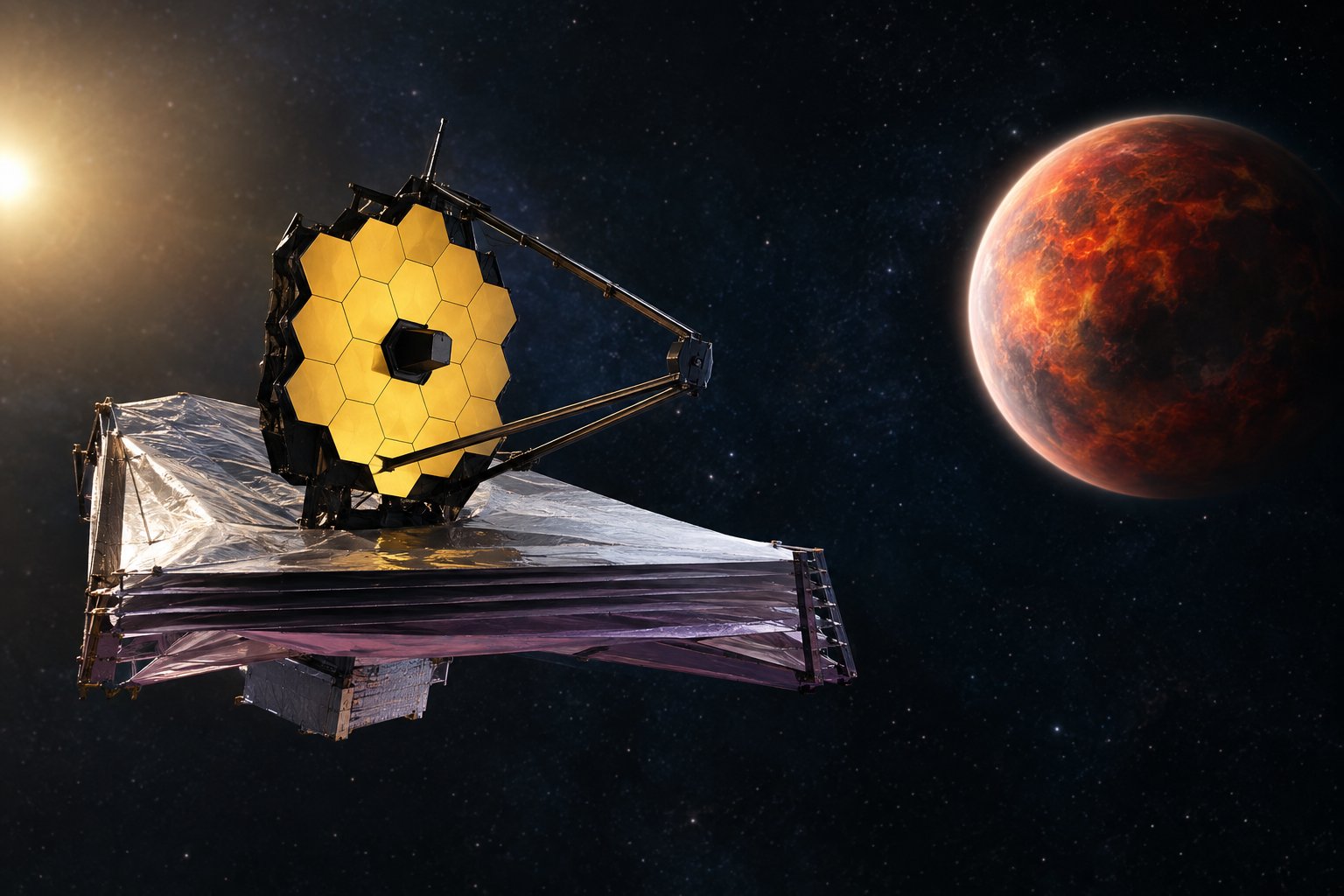
A Possible Atmosphere on TOI-431b, Seen in a Partial Eclipse
A JWST observation of the ultrahot rocky planet TOI-431b points to a possible atmosphere, but one partial eclipse cannot reveal its composition.
Maya Ellison · Nov 18, 2026 · 4 min read
 Deep space and cosmology
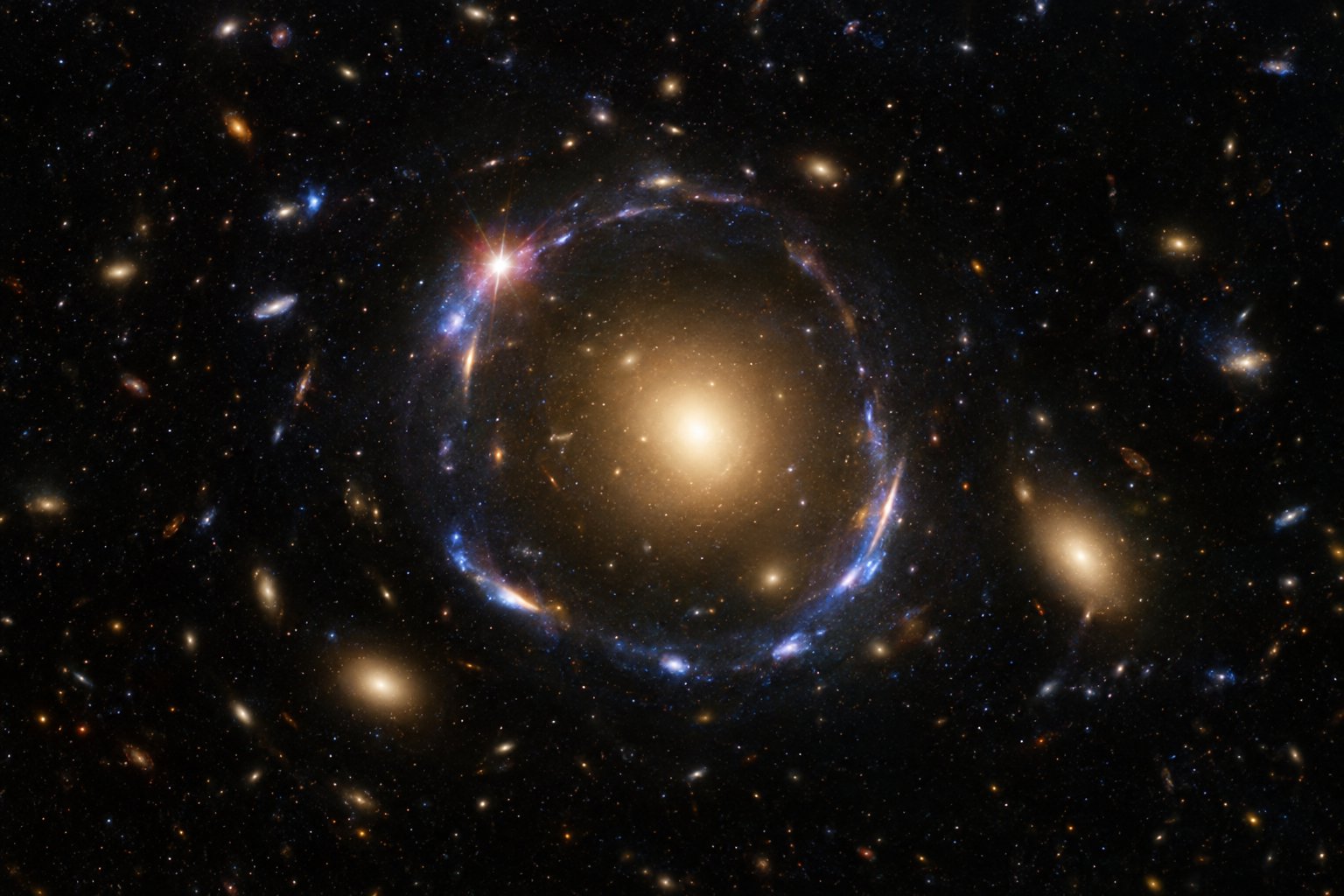
SN Ares: JWST finds a supernova whose next images may take decades
JWST observations reveal the lensed Type IIb supernova SN Ares. Models predict two more images decades from now, but those arrivals—and their timing—remain to be observed.
Maya Ellison · Nov 17, 2026 · 4 min read