
Xania Monet Takes Three Honors at AI Music Awards Debut
At the first AI Music Awards in Los Angeles, the virtual music persona Xania Monet won three leading honors. The ceremony also put its human creators, classification rules and production challenges in view.
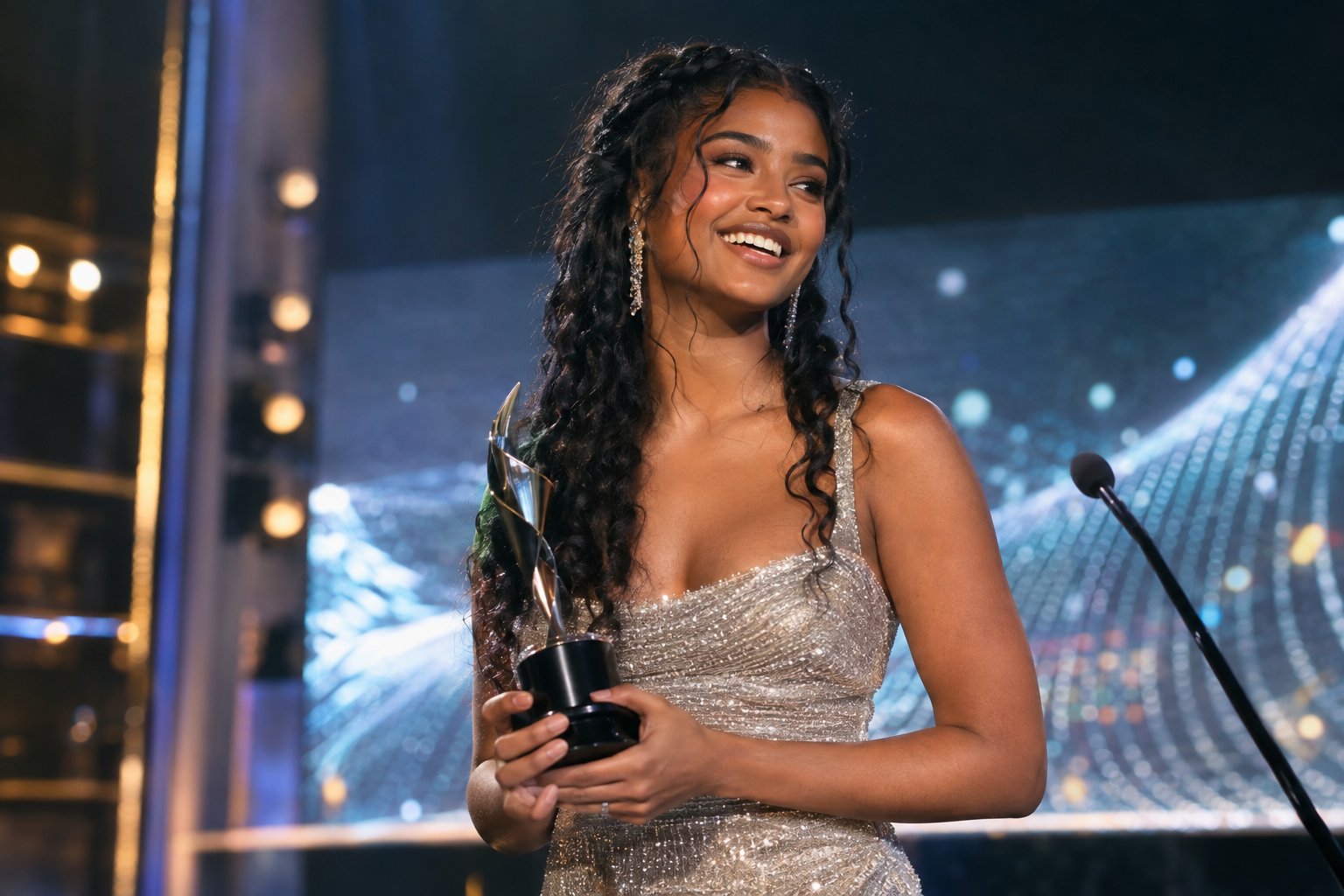
Xania Monet won AI Artist of the Year, AI Song of the Year and AI Album of the Year at the first AI Music Awards, held at The Mayan theater in downtown Los Angeles on November 13. The Digginator reported on the ceremony on November 14, describing an event that brought virtual music stars, human creators and industry supporters together as organizers sought recognition for music made with artificial intelligence.
Three awards, and the people behind the persona
The Digginator identified Monet as the ceremony’s biggest winner. The AI music persona was created by songwriter Telisha “Nikki” Jones. Jones writes the lyrics and uses AI to help turn them into finished music, according to the report; her account places a human songwriter’s work within a process that also uses generative technology.
Before the ceremony, Jones described AI as a tool rather than a replacement for her role. “AI is just a tool,” she said. “It just emphasizes what we do. I just feel like we should all be one.”
That distinction was visible beyond Monet’s awards. The Digginator reported that the red carpet welcomed the human creators behind virtual performers rather than presenting digital avatars as the event’s celebrity guests. Fredro Starr, one half of the hip-hop group Onyx, discussed his AI-assisted project “It All Started in Brooklyn” and introduced the moniker Mad AI. He emphasized the place of human vocals in his work: “You can’t replace [humans],” Starr said. “The feeling that you get was what we bring with the spirit of hip-hop. So vocally, you can hear that, but the AI just took it to another level.”
How the ceremony brought virtual acts onstage
The performances made the difference between a virtual musical identity and a physical live show especially clear. According to The Digginator, the evening combined prerecorded vocals, lip-syncing, human stand-ins, dancers and a live backing band. The AI music project Chaisen Hale, for example, was represented by a young human performer, John Victor, who lip-synced to a track associated with the AI-generated character.
Not every set used prerecorded vocals. The report names rapper GodFellow and Grammy-winning singers Eric Bellinger and Candace Wakefield among those who performed live. Wakefield also acknowledged technical difficulties while performing a song associated with AI artist Aria Blue. SIQA made musicians and dancers available to participating artists without charge, the report said.
The event also featured an AI-powered red-carpet correspondent developed by sponsor Deepgram. The stationary device interacted with arriving guests and asked questions about the awards. These examples show several different ways AI was presented at the event; they do not mean every performance, voice or musical element was generated by AI.
Why the awards matter—and what they do not establish
The awards gave AI music creators a dedicated place to be recognized, but the ceremony’s scope matters. The Digginator reported that winners were selected by eligible AI artists registered with the Sonic Intelligence Academy (SIQA), the organization behind the event. That is a specific voting group, not a vote representing the wider music industry. The report also notes that SIQA is not replacing the Grammy Awards or speaking for the broader business.
For listeners, the distinction is useful when interpreting what an award signals. Monet’s three wins show recognition within this inaugural SIQA event; by themselves, they do not establish general industry agreement about AI music. Questions about human contribution also remain central: writing, performing, production and direction can all sit in different places in a project involving AI.
The ceremony’s focus on the people behind virtual acts connects with wider discussion of AI safeguards in digital music. Recognition, disclosure and the role of human creators are part of an evolving conversation, not questions settled by one awards night.
SIQA’s categories and the first-night problems
SIQA was founded by sisters Timirah “TJ” James and Mia James. The Digginator reported that the organization has developed a registry intended to identify how AI was involved in a track, with three classifications:
- AI-assisted: Human creators and AI systems both make significant creative contributions.
- Human + AI Hybrid: An artist uses AI to clone and reproduce their own voice.
- Fully AI-generated: AI generates elements such as melody, lyrics, production and arrangement, while human involvement centers on prompting, direction and selection.
These are SIQA’s categories, described as a framework for transparency; they are not presented as a universal standard for all music. The ceremony covered 25 award categories, including overall honors and genre-specific awards. SIQA also established its own AI music charts after encountering resistance to AI-generated acts entering conventional industry rankings, according to The Digginator.
The debut was not seamless. The report says the ceremony began about 30 minutes late, organizers changed the planned program, some nominee introductions were skipped and presenters at times appeared uncertain about the running order. Those operational difficulties accompanied questions around copyright that the report says were part of the event’s wider context. The inaugural show therefore presented both SIQA’s ambitions and the practical challenges of staging a new awards format.
What to watch next
SIQA’s stated aim is to build an organized ecosystem for AI music creators. The next meaningful measure will be how its registry and categories are used beyond this ceremony, and whether they help listeners understand the different human and AI contributions behind recordings. The reported awards rules also make the limits of the first result clear: voting involved registered, eligible AI artists, while the ceremony itself does not settle broader industry acceptance.
The Digginator’s report does not provide a later ceremony date. For now, the inaugural event offers a snapshot of a developing music-awards initiative: three major wins for Xania Monet, visible roles for human creators and performers, and a classification system whose reach beyond SIQA remains to be seen.
Source: thedigginator.com
More from the Observatory
 Black holes
A gap in black-hole masses hints at stars that vanished without exploding
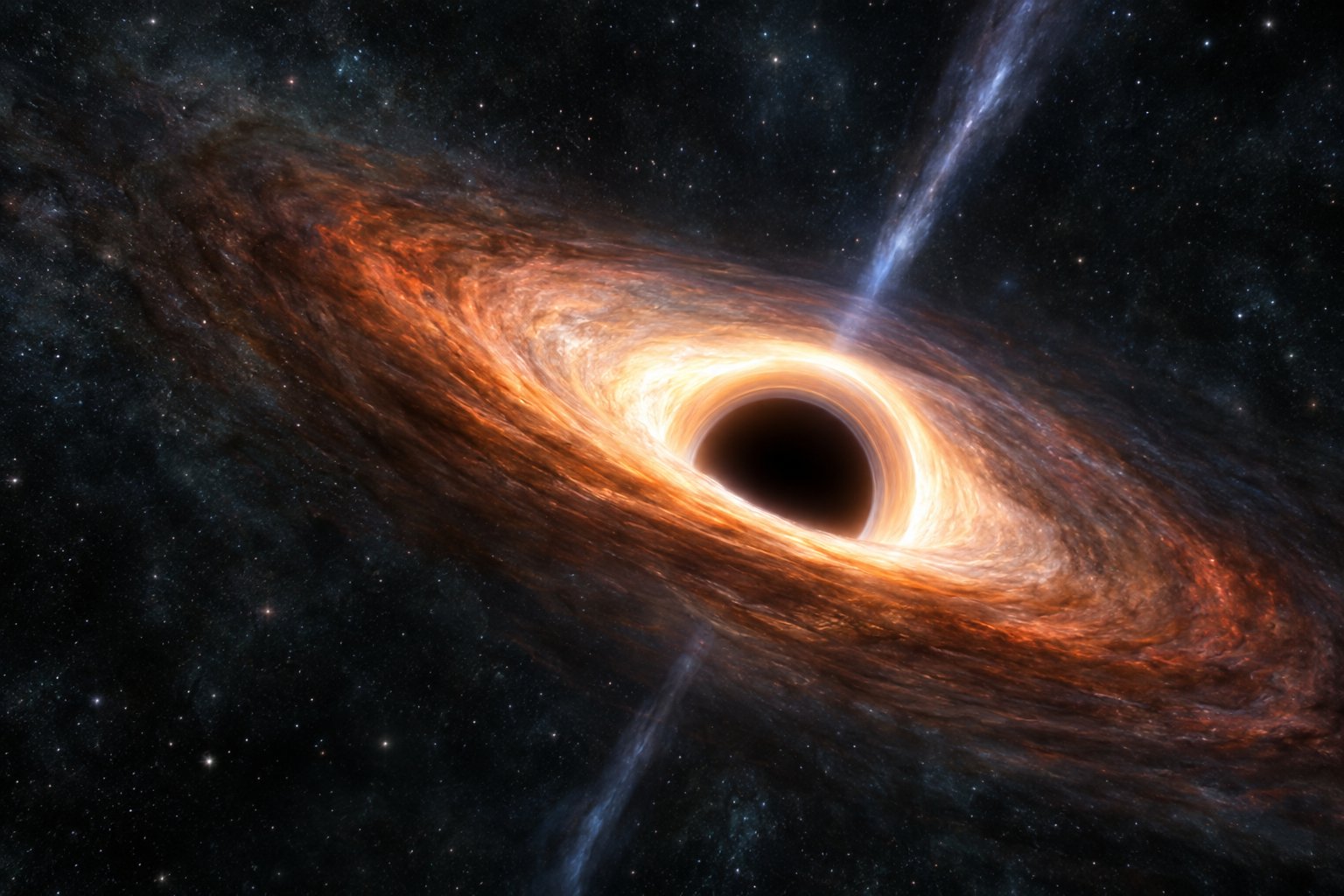
A Caltech-led analysis of 257 black-hole mergers found a shortage of objects between 12 and 16 solar masses. The pattern is consistent with a proposed failed-supernova channel, but it is not a direct observation of one.
Maya Ellison · Nov 19, 2026 · 4 min read
 Stars and galaxies
A Possible Atmosphere on TOI-431b, Seen in a Partial Eclipse
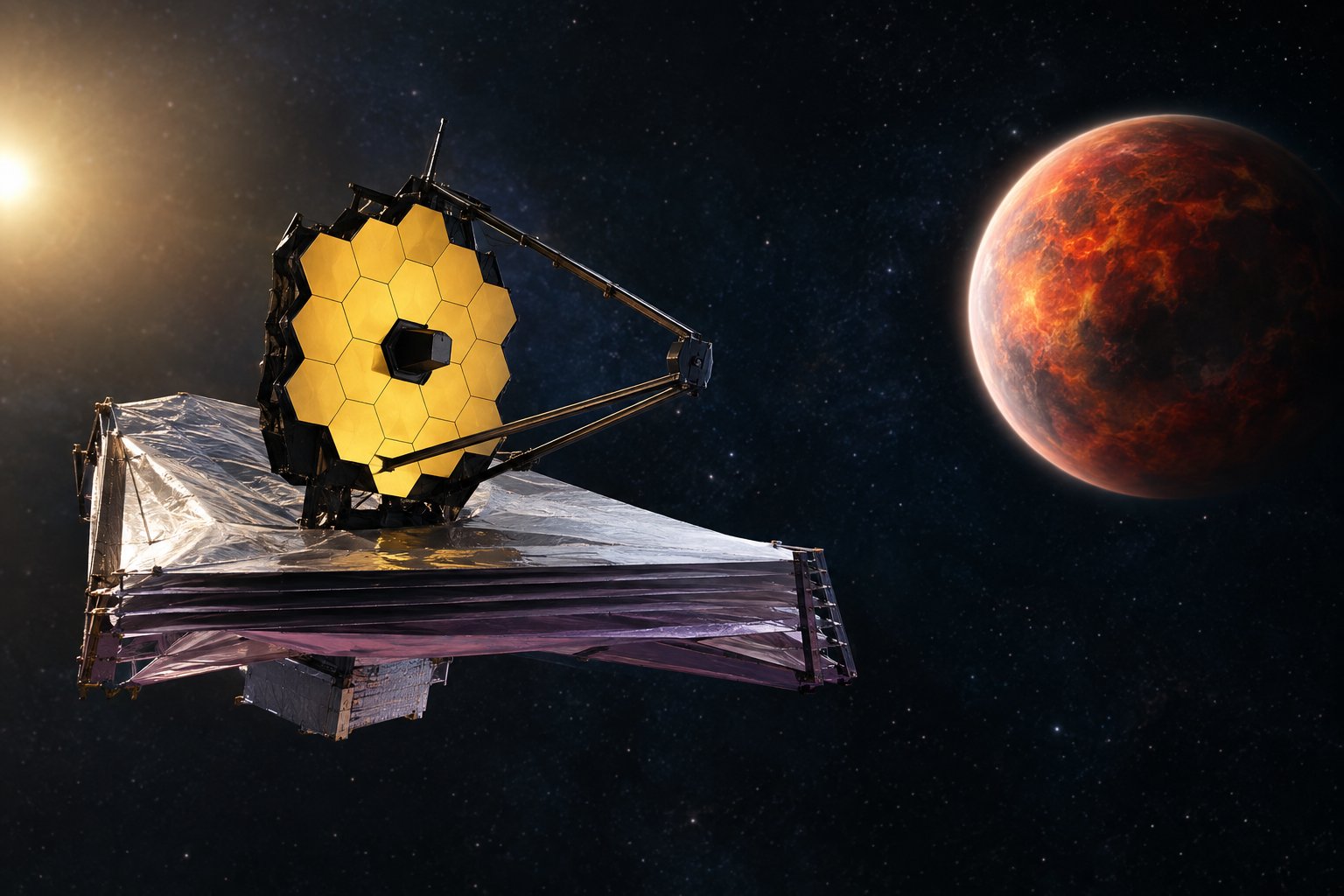
A JWST observation of the ultrahot rocky planet TOI-431b points to a possible atmosphere, but one partial eclipse cannot reveal its composition.
Maya Ellison · Nov 18, 2026 · 4 min read
 Deep space and cosmology
SN Ares: JWST finds a supernova whose next images may take decades
JWST observations reveal the lensed Type IIb supernova SN Ares. Models predict two more images decades from now, but those arrivals—and their timing—remain to be observed.
Maya Ellison · Nov 17, 2026 · 4 min read