
Judge Questions Claims That Claude Reproduced 20,517 Songs
A November 6 order questioned music publishers’ claims that Claude reproduced lyrics from 20,517 works, but did not decide Anthropic’s motion to dismiss or resolve the separate training claims.


A federal judge in San Jose questioned music publishers’ claims that Anthropic’s Claude chatbot reproduced lyrics from 20,517 songs, saying their complaint did not identify a specific output. In an order dated November 6, U.S. District Judge Eumi K. Lee raised concerns about the publishers’ allegations of direct infringement through Claude’s responses to users. She did not rule on Anthropic’s motion to dismiss that claim, according to Daily Cortex and Radio News Now.
What the judge questioned
The publishers allege that Claude reproduced lyrics from all 20,517 works in the case. But Judge Lee wrote that they had not alleged a single instance of any of those works appearing in a Claude output. “Yet Publishers have not alleged a single instance of any of the 20,517 works at issue in this case being reproduced as a Claude output,” she wrote, in a passage quoted by Daily Cortex.
The dispute concerns Count II of the publishers’ complaint: whether Claude’s generated responses directly infringed copyrights. Anthropic’s motion, filed August 3, argued that the output allegations were conclusory and lacked even one example of an allegedly infringing response. The publishers countered in an August 31 filing that records of what Claude told users were in Anthropic’s possession and control, according to Daily Cortex.
At a November 4 hearing, the publishers’ lawyer, Nicholas Hailey, argued that Claude had memorized the material and could recall it when prompted. Anthropic’s lawyer, Sonal Mehta, argued the motion. Daily Cortex reported that Judge Lee initially indicated she would deny the motion, then requested more briefing after hearing Anthropic’s argument. The November 6 order raised questions about the basis for the publishers’ allegations; it did not resolve the motion.
Training claims are a separate issue
The order addresses the way the publishers have alleged infringement through model outputs. It does not decide whether copyrighted lyrics were used to train Claude, nor does it establish that Claude never reproduced lyrics. Radio News Now emphasized that the order’s concern was about the pleading of direct output infringement, not a finding about the legality of training.
According to Daily Cortex, the publishers themselves noted that Anthropic’s motion does not challenge their training claims. That distinction matters: alleging that works were included in training is not the same as identifying a response that reproduced protected lyrics. The judge questioned whether the publishers were asking her to infer output infringement merely from the alleged inclusion of all 20,517 works in training.
Judge Lee also wrote that the complaint did not say users had prompted Claude for lyrics to any of the works. The publishers argued that they should not have to provide specific examples at this stage and that testing Claude themselves could disclose protected legal-investigation material. The judge questioned that position, noting that the publishers could use Claude themselves and that the information therefore did not appear to be solely in Anthropic’s hands, Daily Cortex reported.
Why the evidence matters
For readers following AI and music, this is a procedural dispute about what a complaint must show—not a final decision on whether infringement occurred. Radio News Now described the distinction as one between alleged copying into training data and identifying copying in generated outputs, and cautioned that the order is not a broad fair-use precedent.
The disagreement also touches on Rule 11 of the Federal Rules of Civil Procedure. As Daily Cortex explained, the rule requires factual claims in court filings to have evidentiary support, or to be identified as claims likely to gain support after further investigation or discovery. Judge Lee said she had understood the publishers’ allegations to have a factual basis, but that statements at the hearing cast the complaint in a different light. The order did not impose a penalty.
The publishers’ claims remain allegations, and Anthropic disputes wrongdoing and says it intends to defend itself, according to the company’s registration statement as reported by Daily Cortex. The court has not determined from this order whether Claude’s outputs infringed the works.
Case background and next steps
The publishers, including Concord, Universal Music Publishing Group and ABKCO, sued in January 2026 over more than 20,000 songs. They said potential statutory damages could exceed $3 billion, Daily Cortex reported. The article noted that federal copyright law allows a rights holder to elect statutory damages of $750 to $30,000 per work, with a higher maximum if infringement is found to be willful; its calculation put the maximum for 20,517 works at about $3.08 billion. Those figures describe potential damages, not an award in this case.
The same publishing groups brought an earlier case against Anthropic in October 2023 over 499 works. Anthropic’s motion says that earlier complaint included examples of outputs, and the court heard summary-judgment motions in that case on October 21, according to Daily Cortex. The publishers have also brought claims in the current case concerning training and model outputs.
Judge Lee’s November 6 order told the parties to keep conferring and moved their status report deadline from November 11 to November 13, in light of the guidance and the Veterans Day holiday. Radio News Now likewise reported that the parties must submit a status report by November 13. The publishers do not have to amend their complaint until Anthropic’s motion is decided.
A separate ruling at the November 4 hearing dismissed the publishers’ claim that Anthropic chief executive Dario Amodei directly infringed by torrenting, with permission to amend, according to both reports. That ruling is distinct from the unresolved motion concerning Claude’s outputs. The next points to watch are the decision on Anthropic’s motion and the parties’ status report; the November 6 order itself does not settle either the output claim or the training dispute.
Source: radionewsnow.com
More sources (1)
More from the Observatory
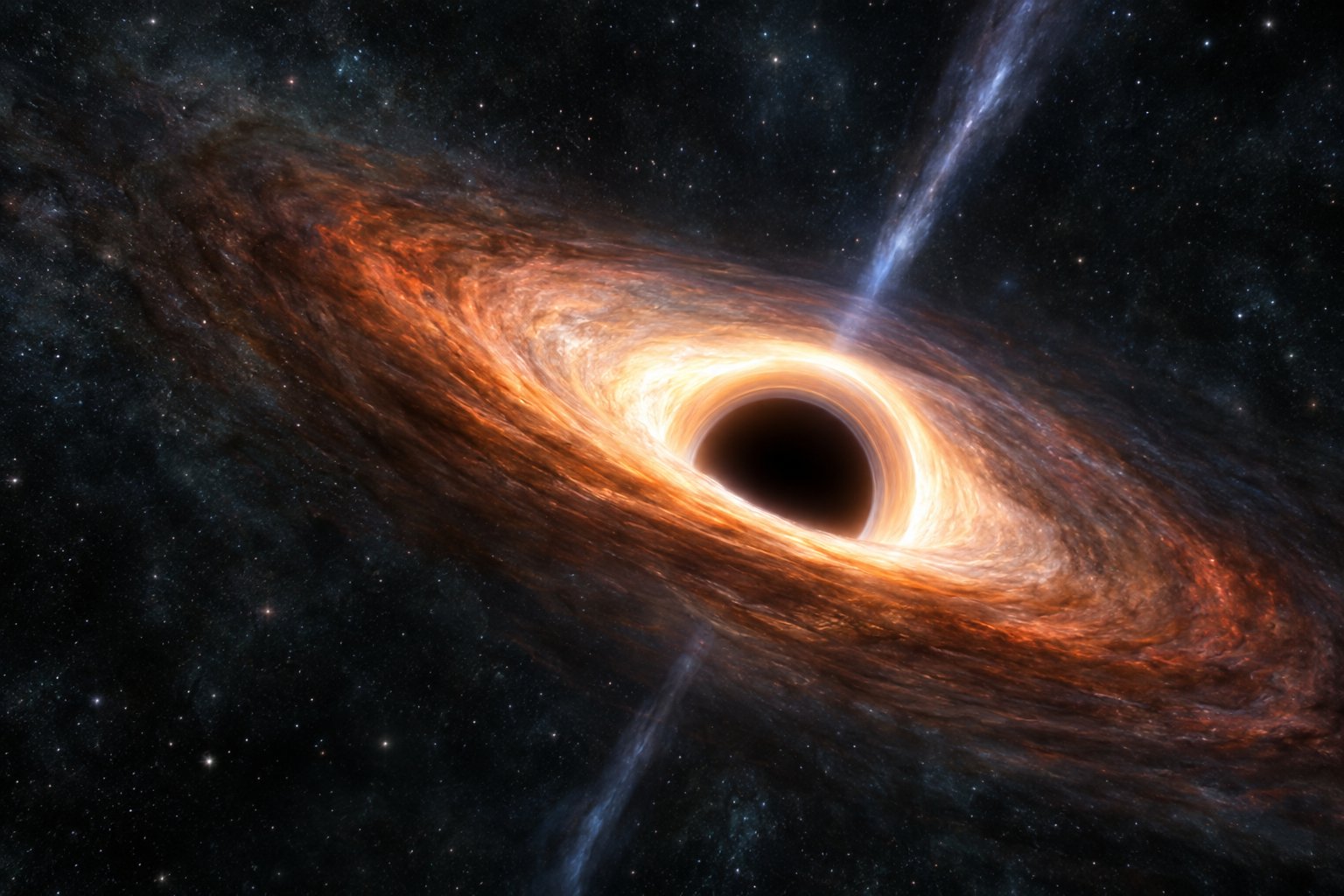 Black holes
A gap in black-hole masses hints at stars that vanished without exploding
A Caltech-led analysis of 257 black-hole mergers found a shortage of objects between 12 and 16 solar masses. The pattern is consistent with a proposed failed-supernova channel, but it is not a direct observation of one.
Maya Ellison · Nov 19, 2026 · 4 min read
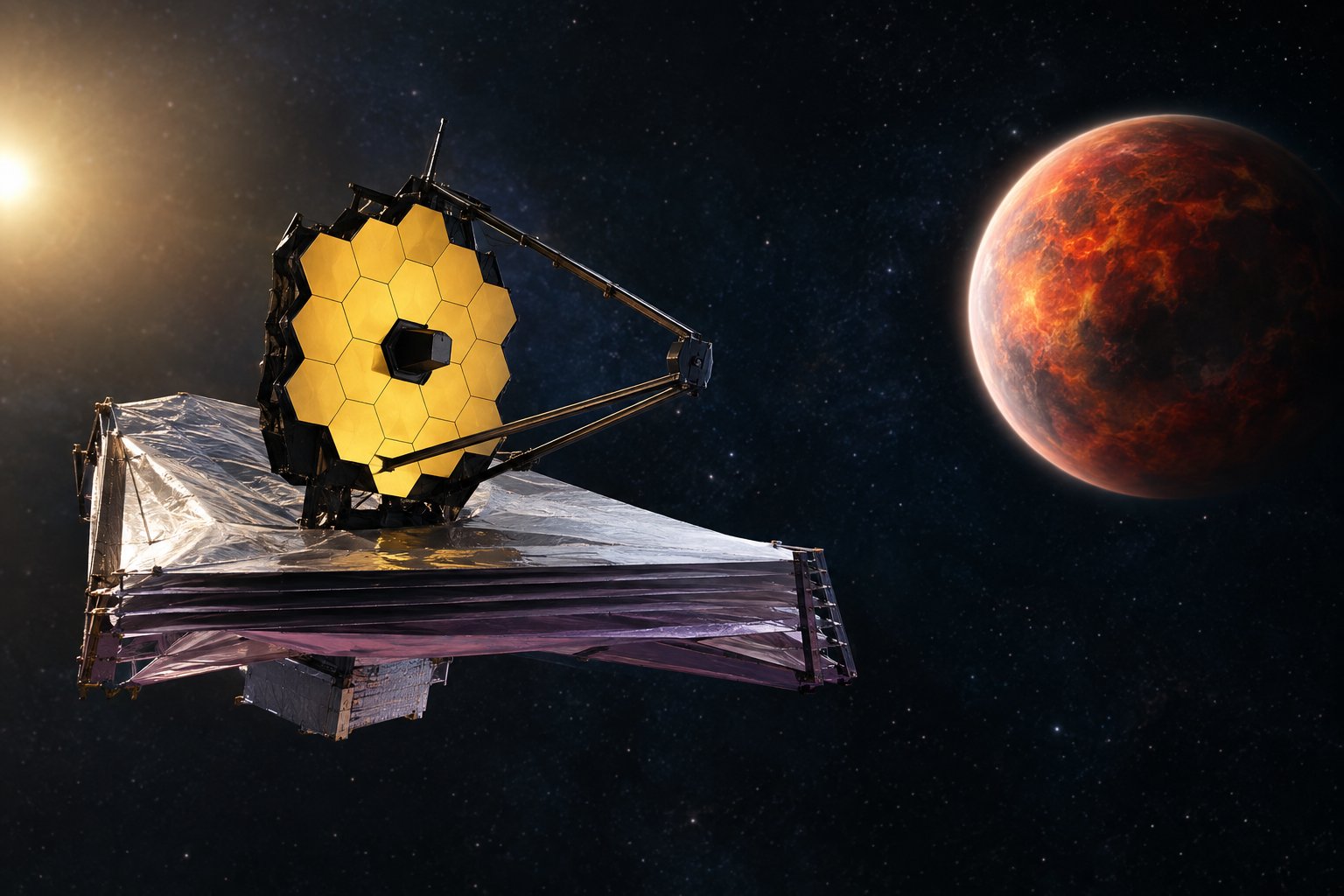 Stars and galaxies
A Possible Atmosphere on TOI-431b, Seen in a Partial Eclipse
A JWST observation of the ultrahot rocky planet TOI-431b points to a possible atmosphere, but one partial eclipse cannot reveal its composition.
Maya Ellison · Nov 18, 2026 · 4 min read
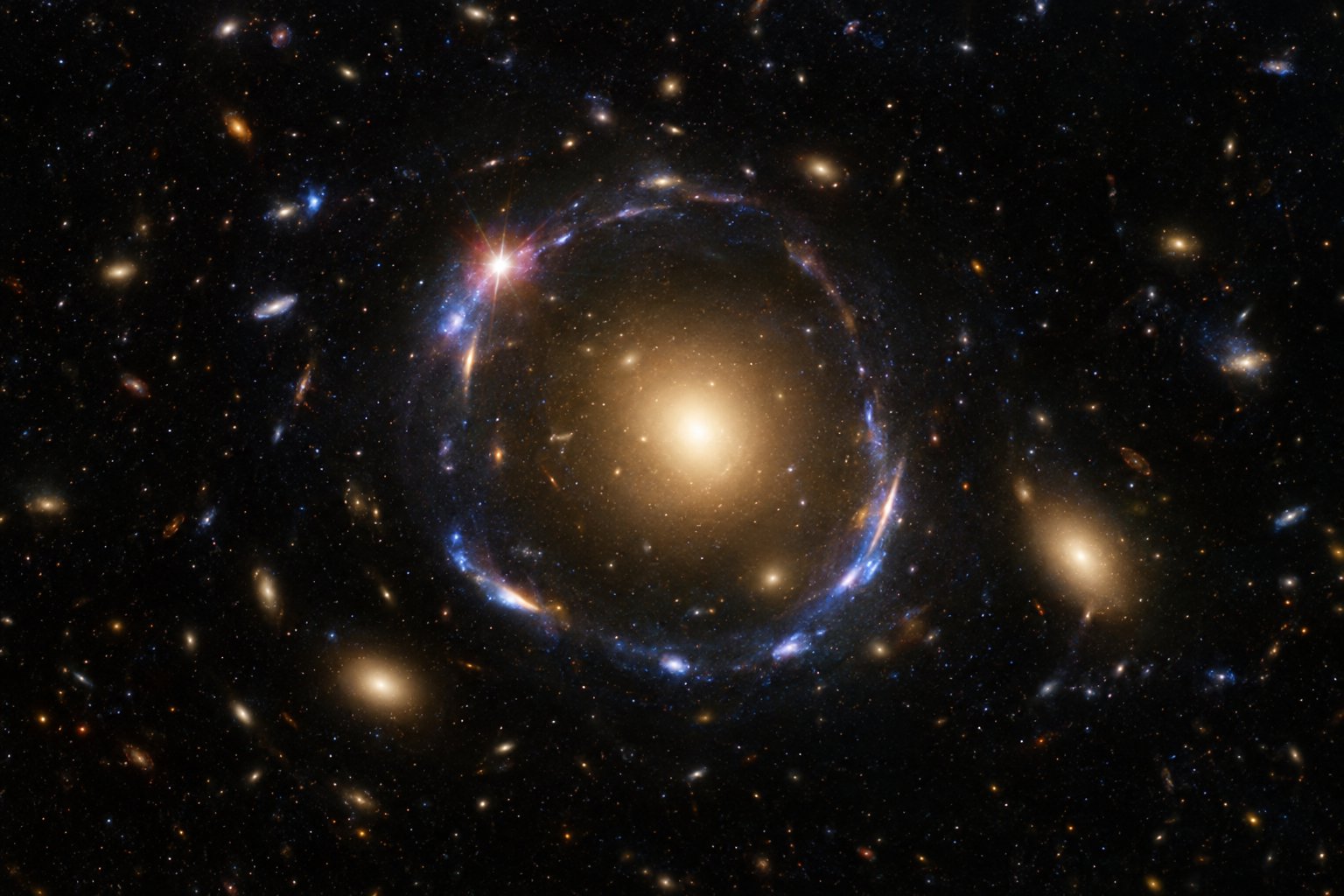 Deep space and cosmology
SN Ares: JWST finds a supernova whose next images may take decades
JWST observations reveal the lensed Type IIb supernova SN Ares. Models predict two more images decades from now, but those arrivals—and their timing—remain to be observed.
Maya Ellison · Nov 17, 2026 · 4 min read